National Archives of Ireland
A complete redesign and content strategy for the National Archives of Ireland website, making our shared history accessible, alive and engaging for today's audience,
↪ Visit website
Website Design
Art Direction
UX Design
Content Strategy
The National Archives of Ireland serves as one of the country’s most important cultural and civic institutions, safeguarding the documentary heritage of the State and providing public access to centuries of historical, legal, and genealogical records.
As the volume and complexity of digital collections grew and public expectations for accessible online services continued to rise, the National Archives sought a complete redesign of its website. The goal was to create a platform that is contemporary, intuitive, and robust enough to serve researchers, policymakers, students, genealogists, and the general public, while maintaining the authority expected of a national institution.
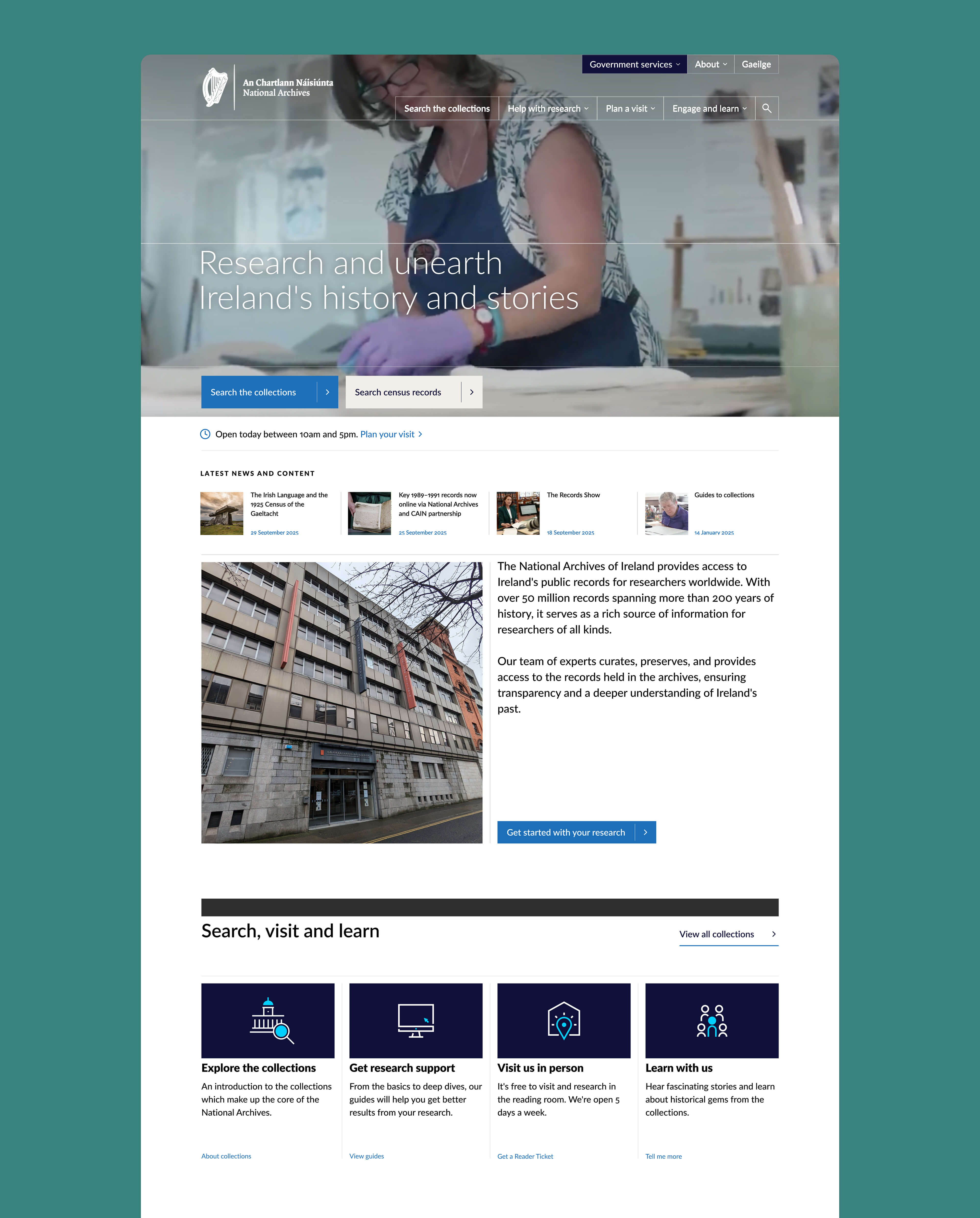
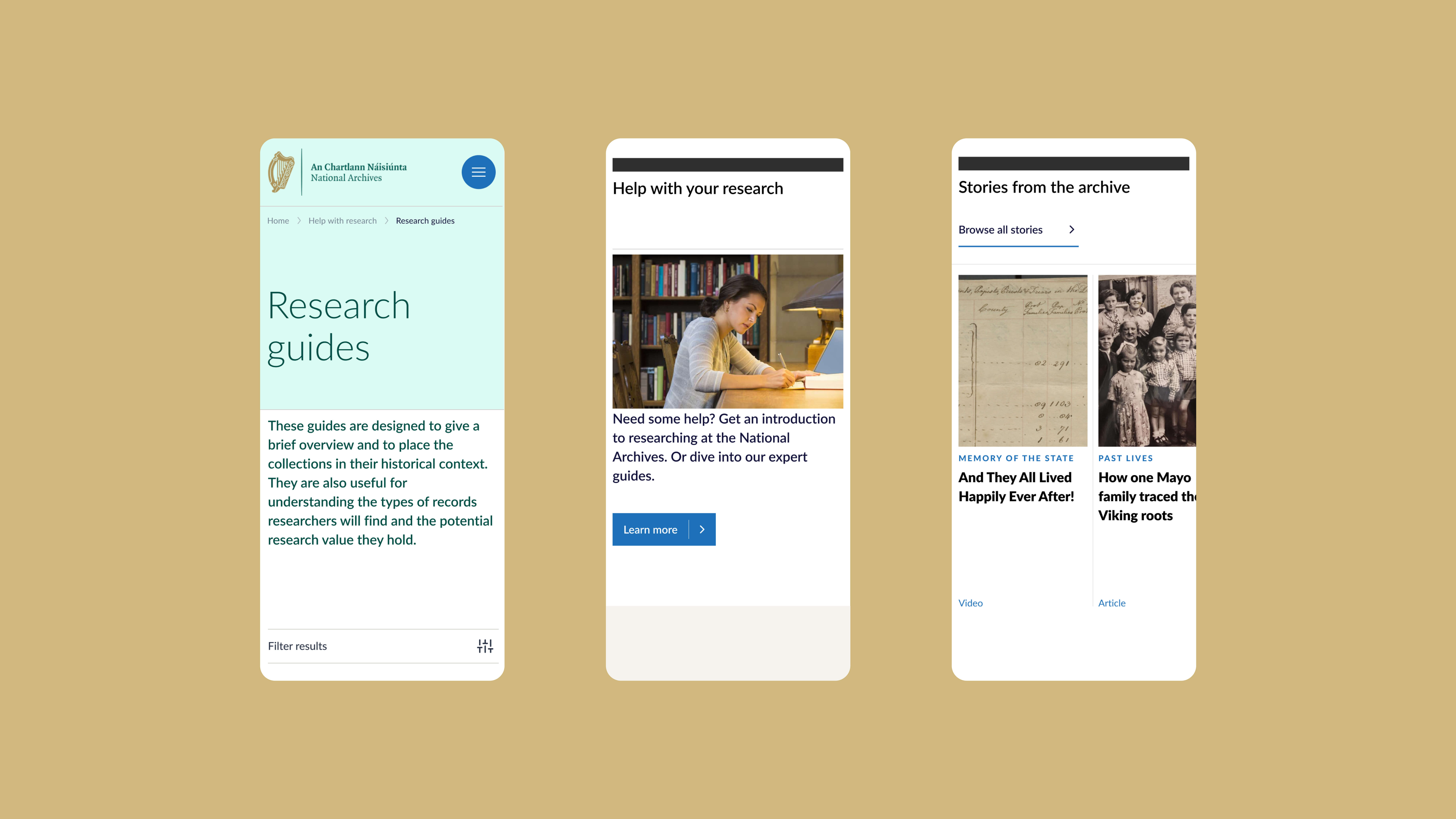
The website was reimagined from the ground up, establishing an architecture that brings structure and clarity to an extensive and diverse body of records. The new design balances contemporary digital usability with the dignity and composure expected of a state archive.
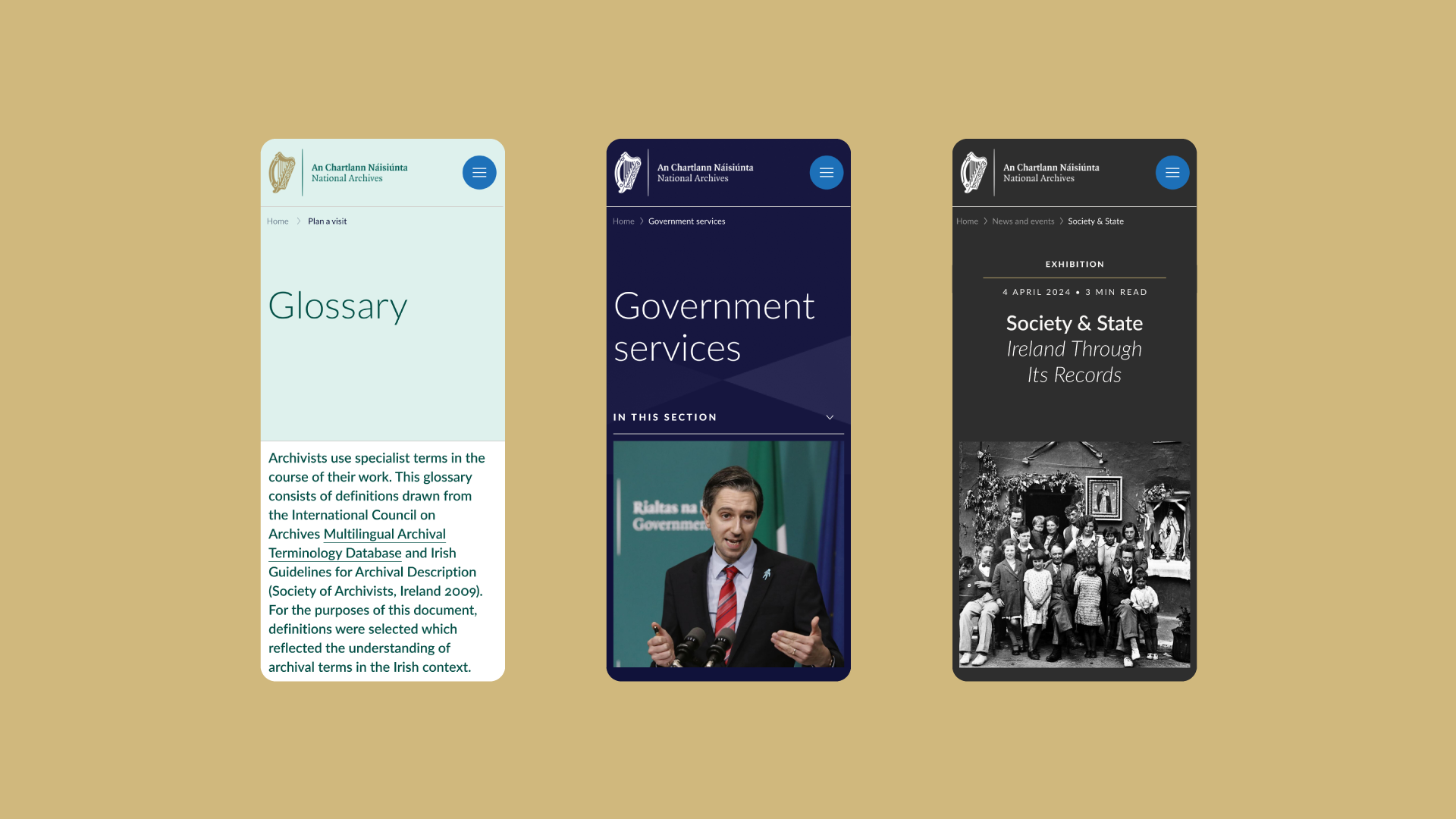

The design of the website was based on the existing brand guidlines for the Government of Ireland and built around the official Government font, Lato. Given the website's role as a national resource, accessibility was a central priority. The site adheres to WCAG 2.2 AA standards, ensuring public access for users of all abilities.
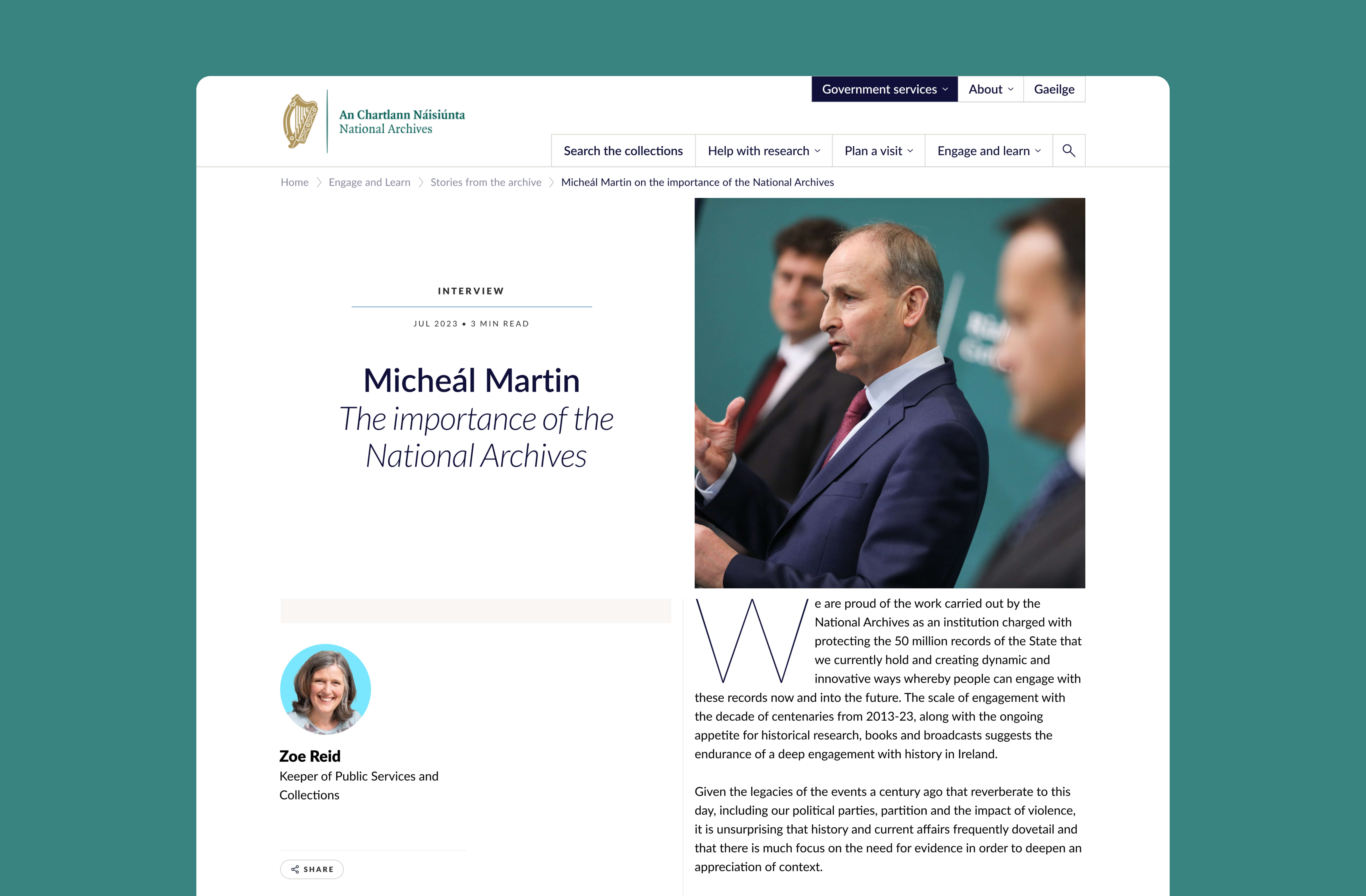
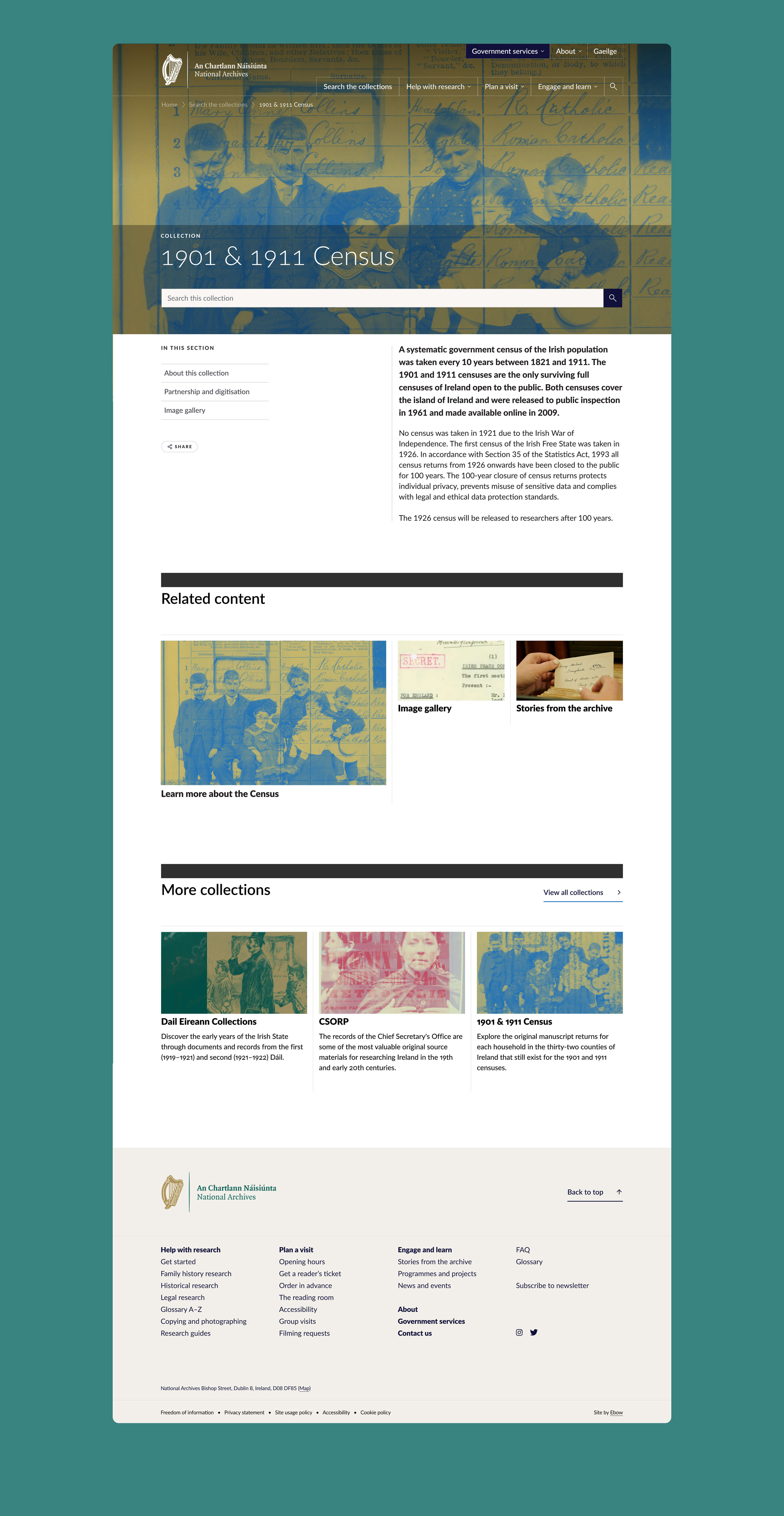
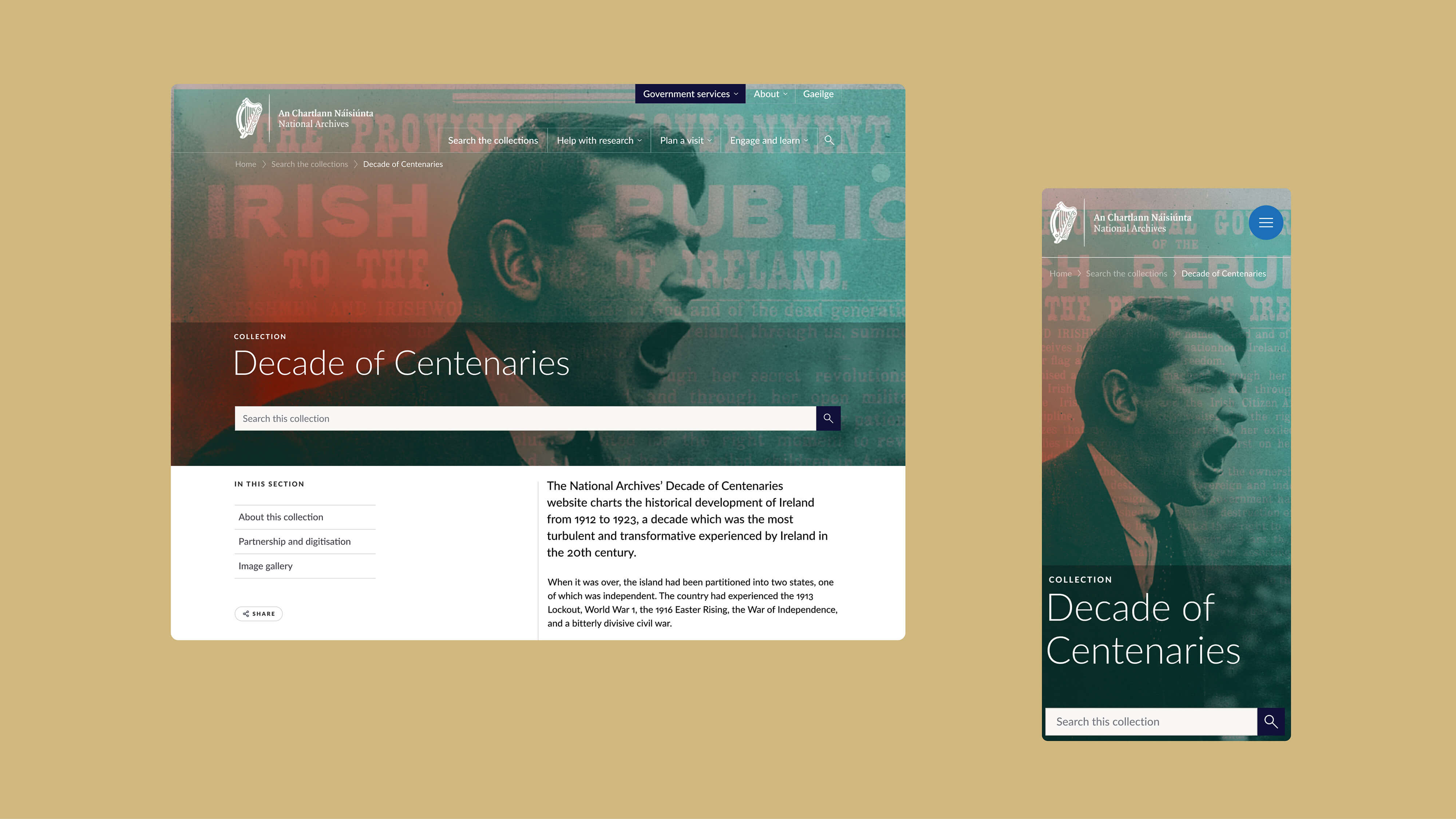
A central objective of the National Archives, as well as being the keeper of the nation's records, is one of public engagement and encouraging citizens to interact with the Archives. The Collections, which are rich collections of interconnected historical documents, were identified as a more accessible route into the Archives for first time visitors.
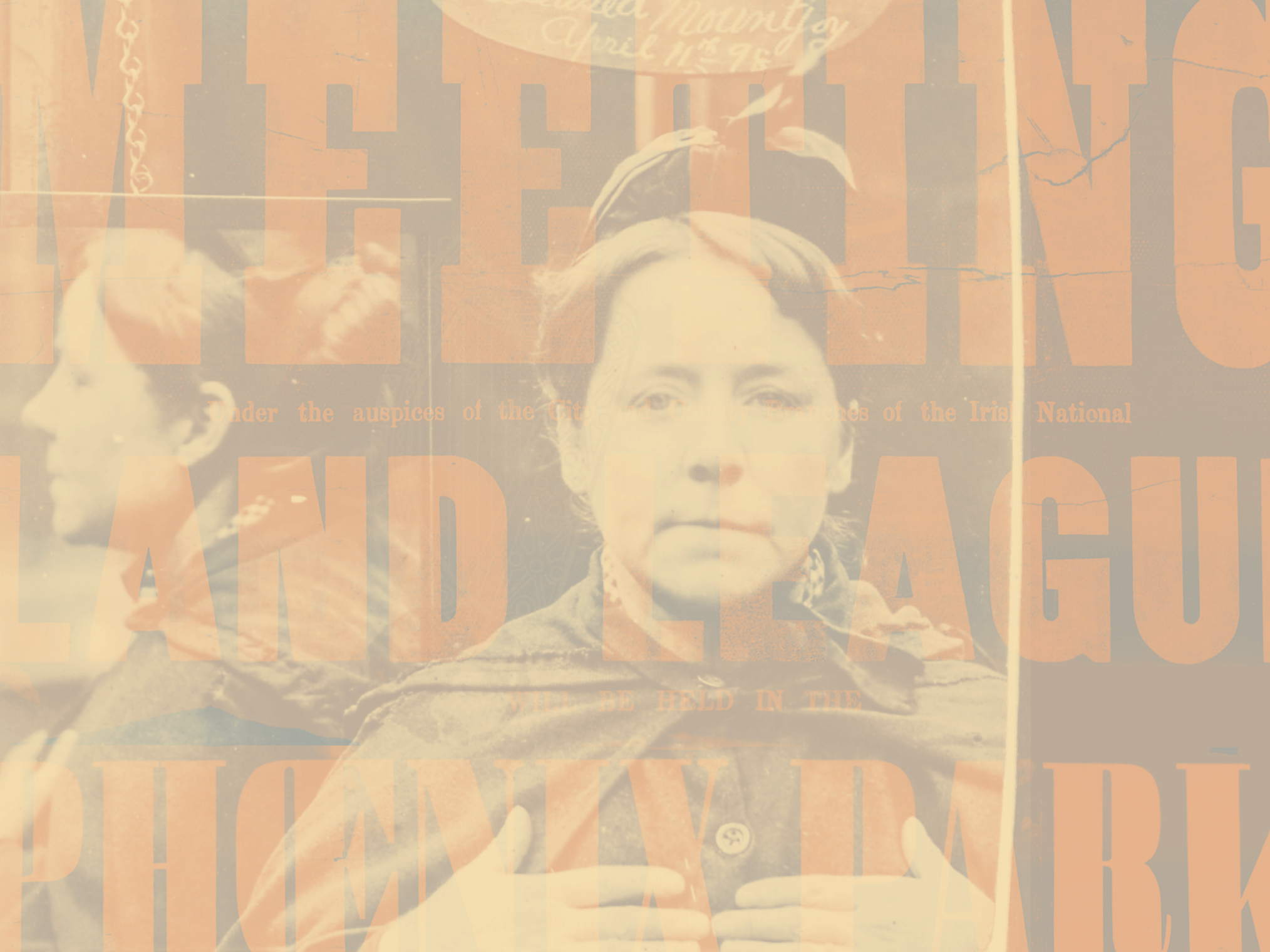
A concept was developed whereby images of notable individuals from Irish history were combined with relevant documents from the Archives to create engaging collages which personalise the records and bring to life the stories and lives contained within.
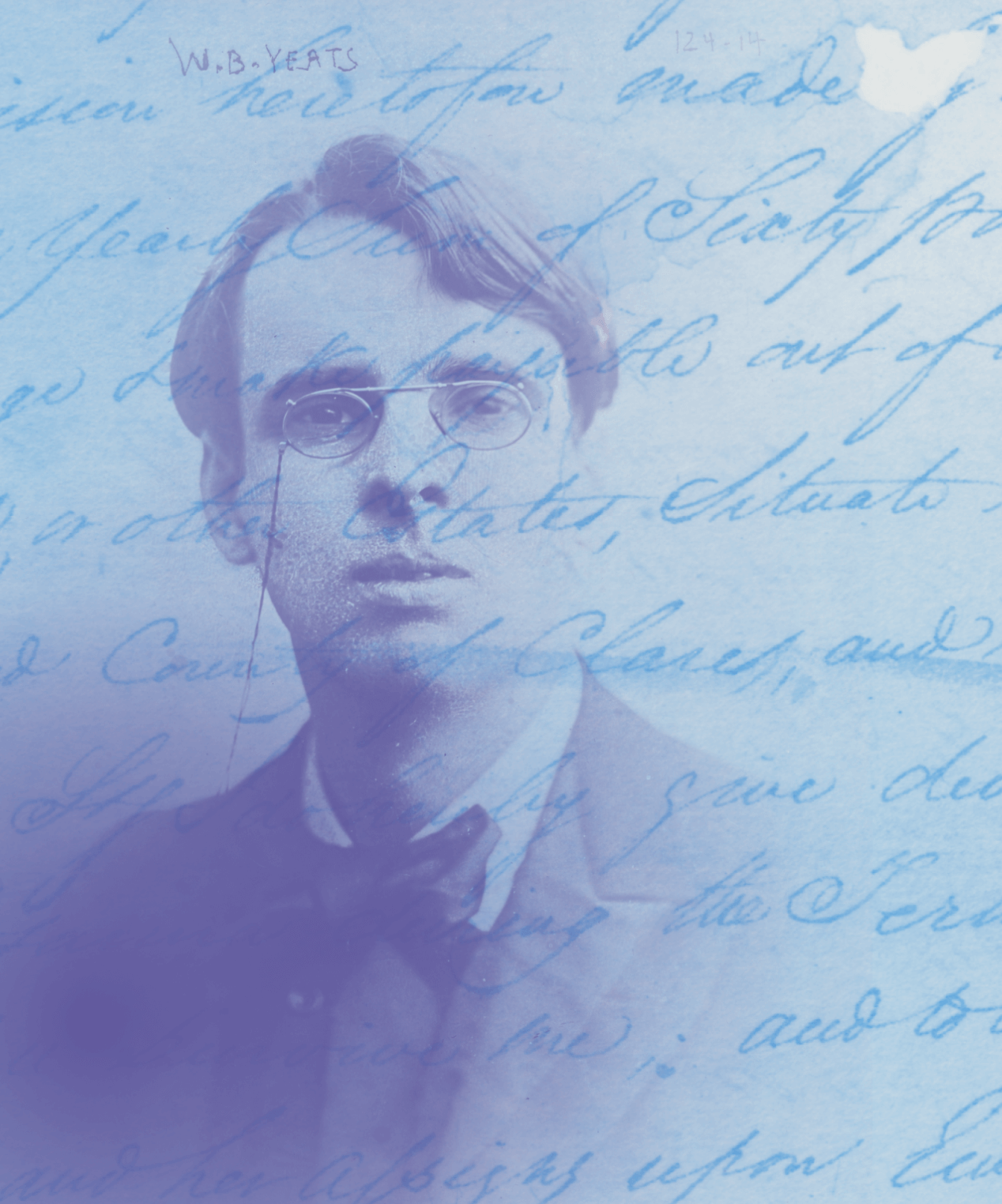
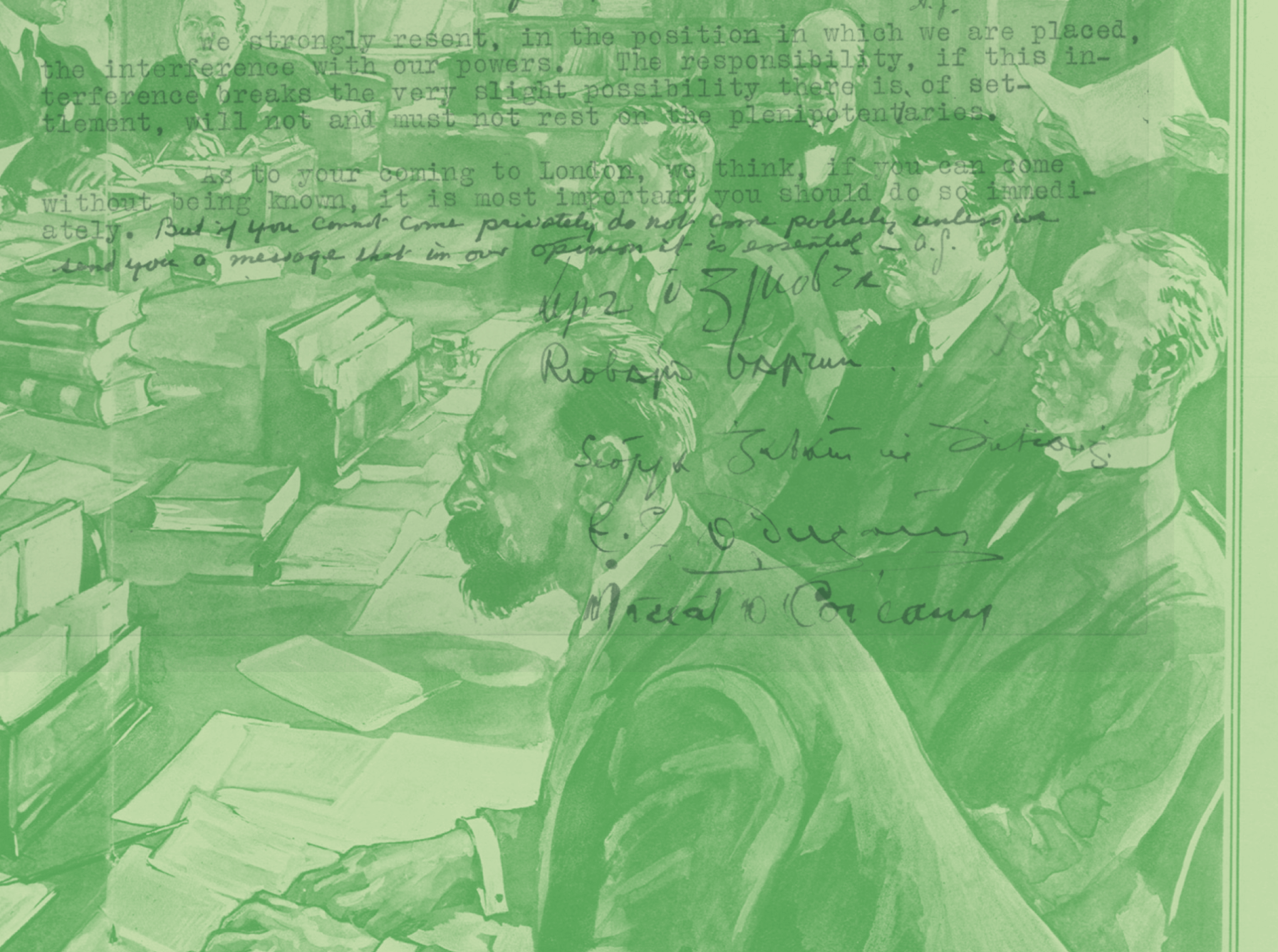
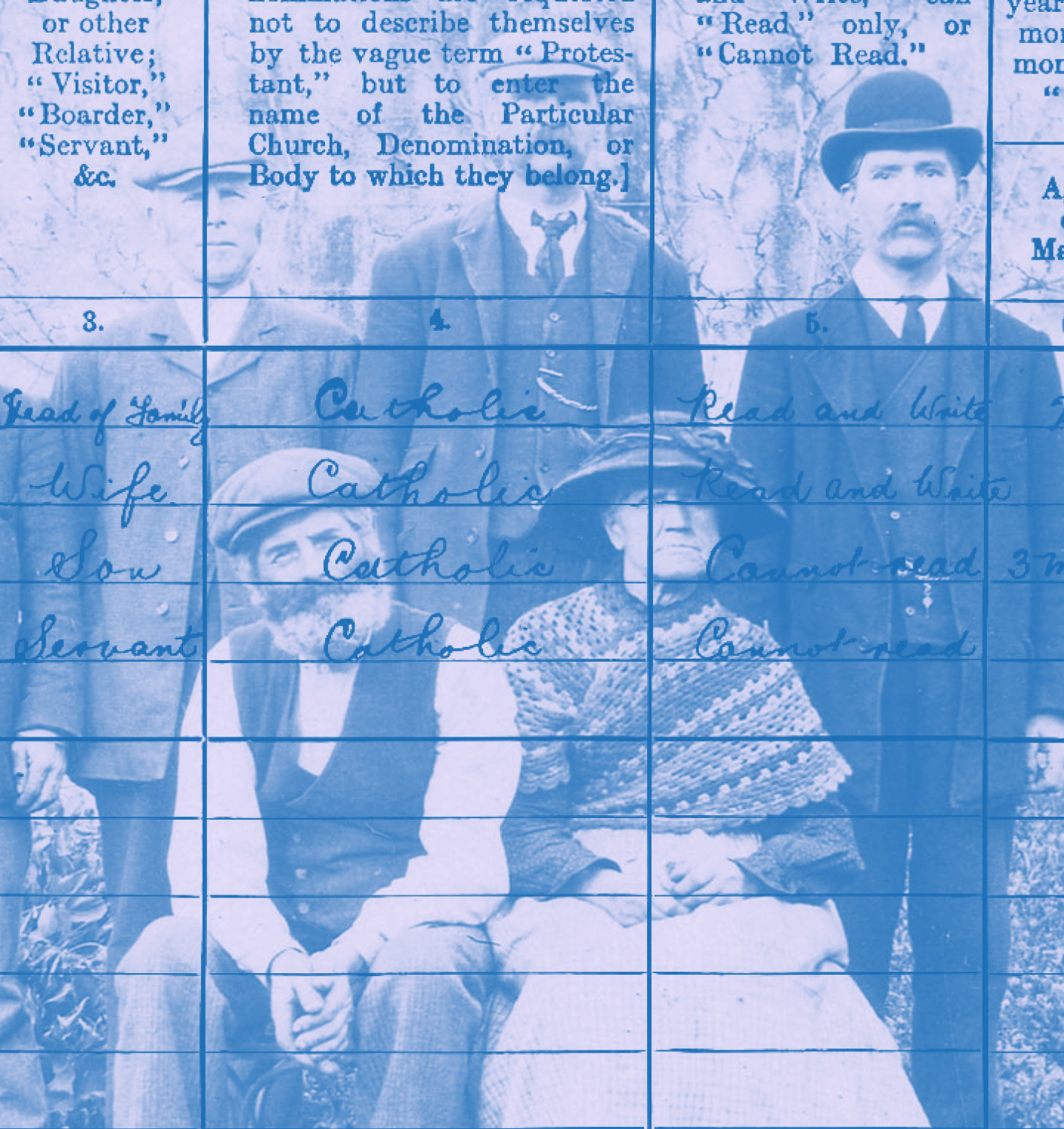
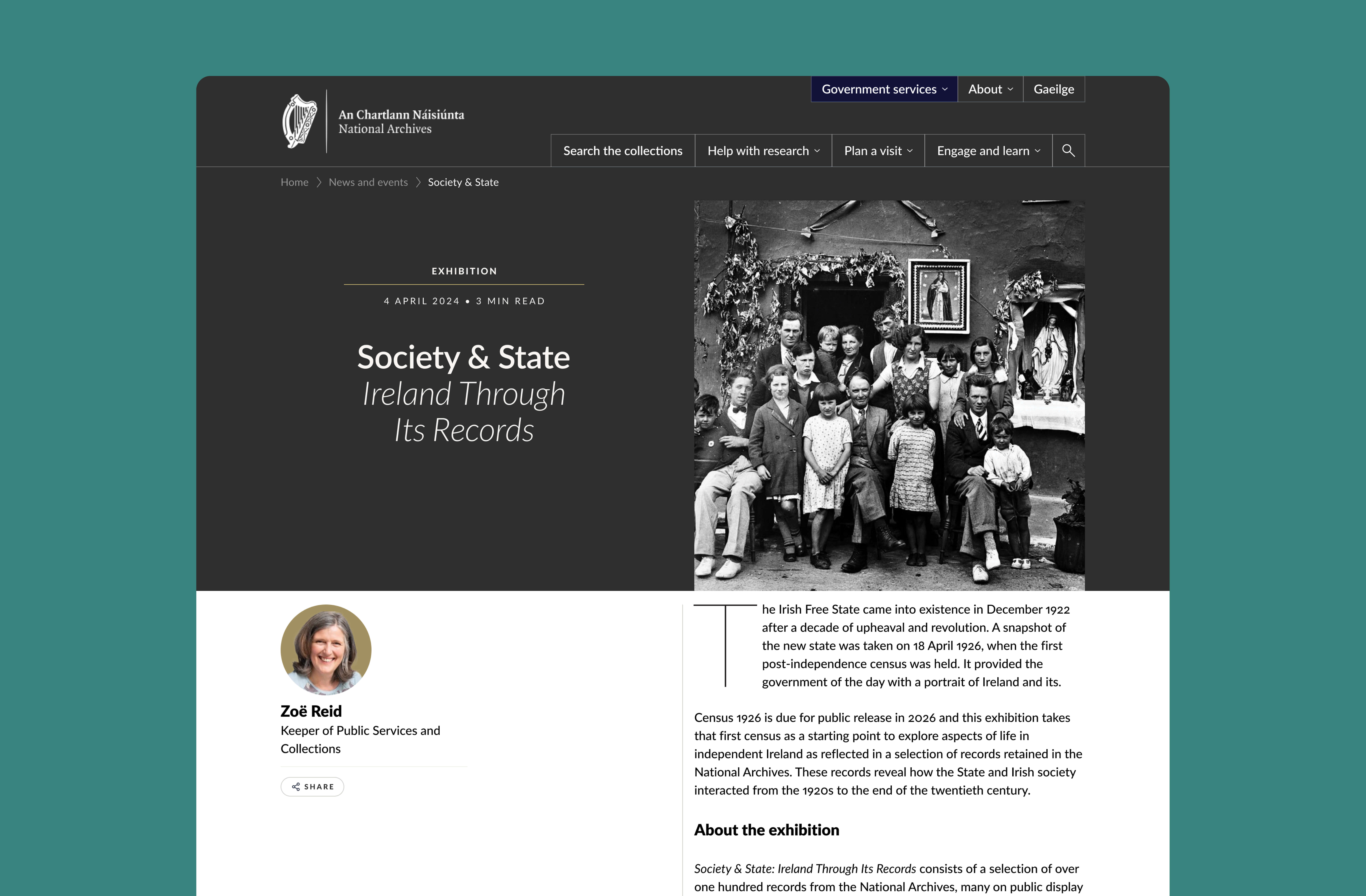
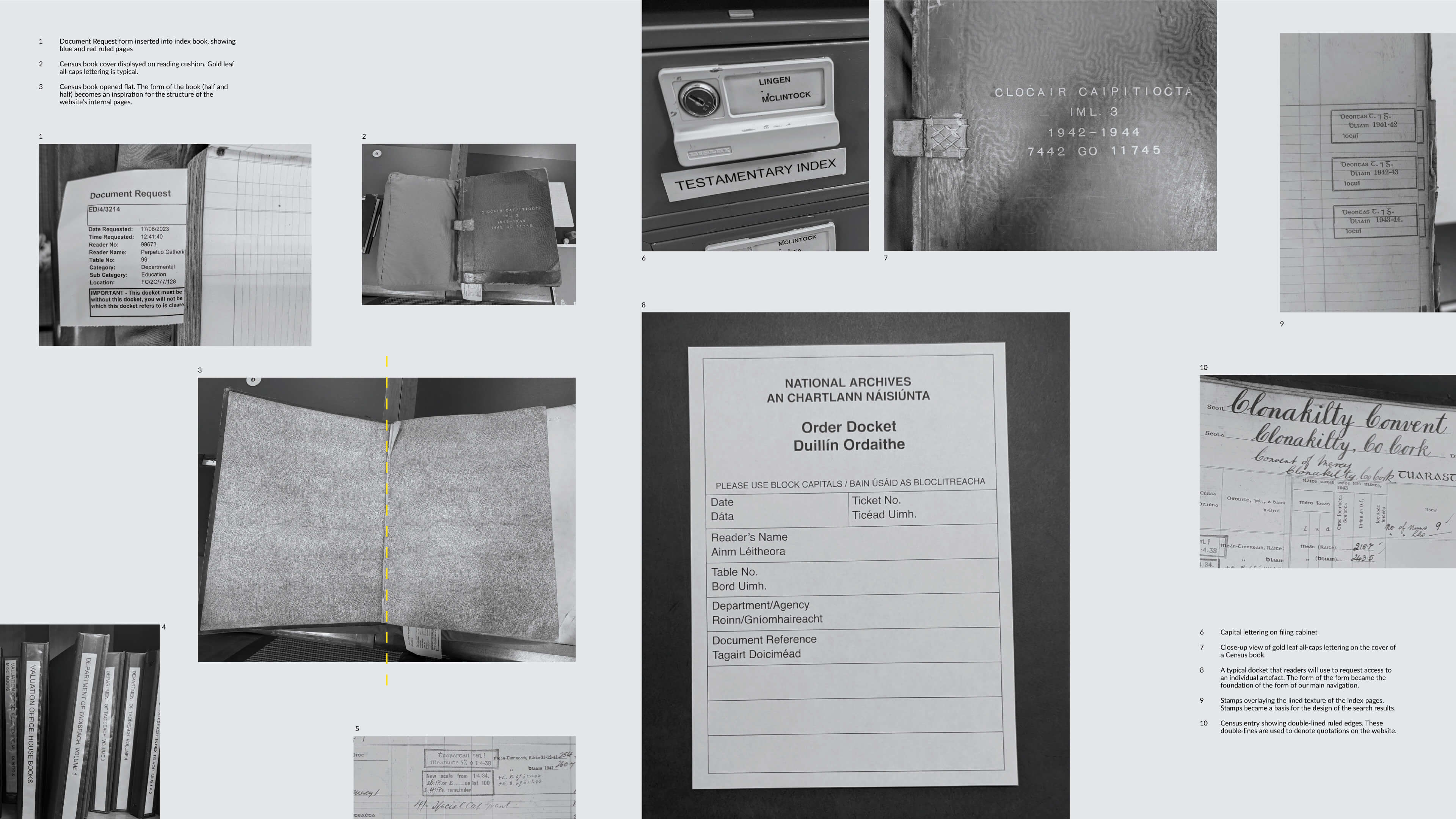
The structure of the website is inspired by the vernacular artifacts that define the experience of interacting with the physical Archives on-site. Boxy form fields, tables of information, opened ledgers, binders with all-caps labels, double- and triple-ruled pages; all of these charming elements are reflected in the design of the website, connecting the digital experience to the physical.
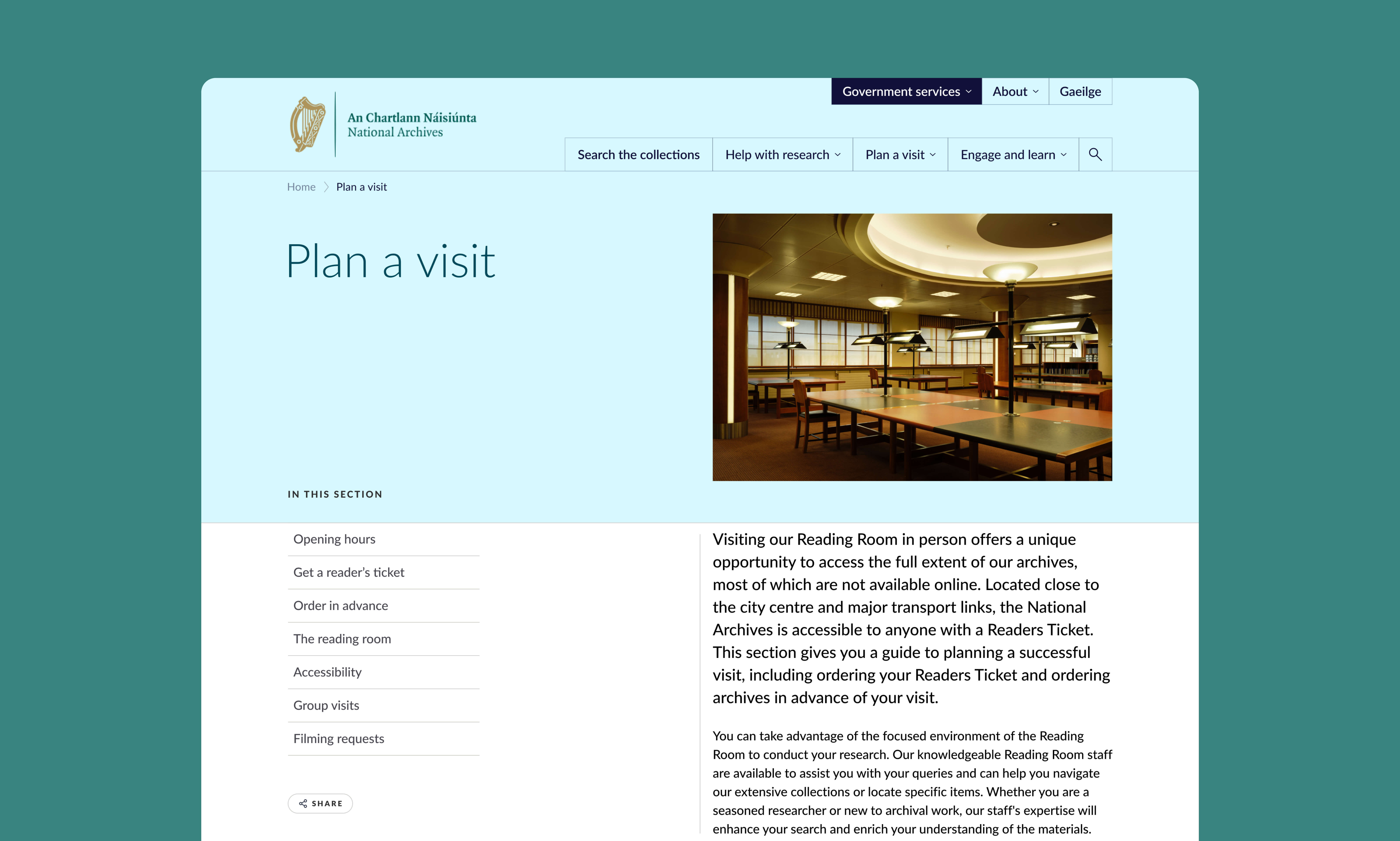
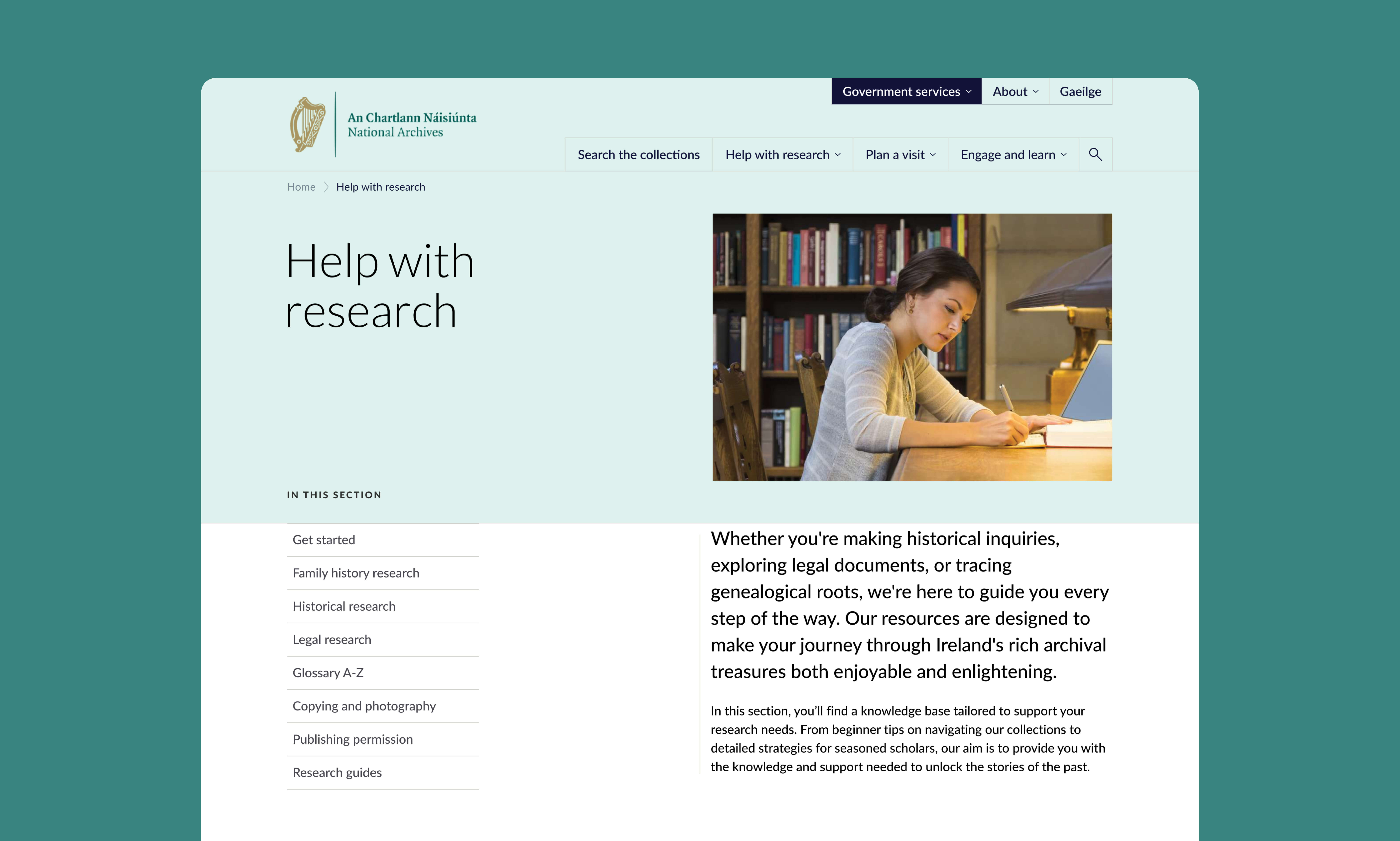
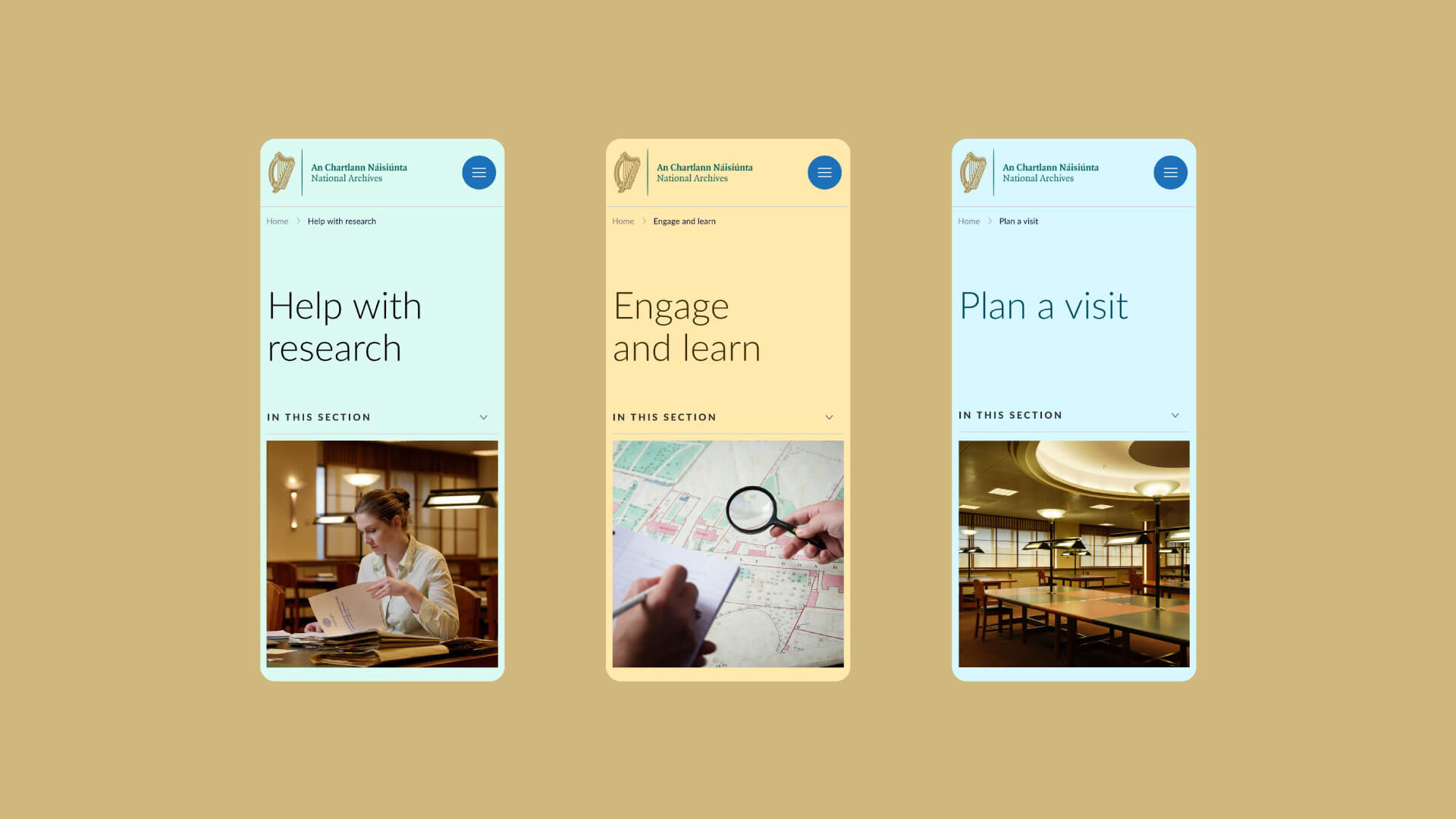
The design system was engineered to scale with the institution’s future needs. This includes a modular component library to support evolving content and collections; templates for exhibitions, educational materials and media-rich storytelling; and a robust and well-built WordPress back-end to ensure consistency of content. This foundation ensures the National Archives can continue to expand its digital footprint while maintaining clarity and consistency.
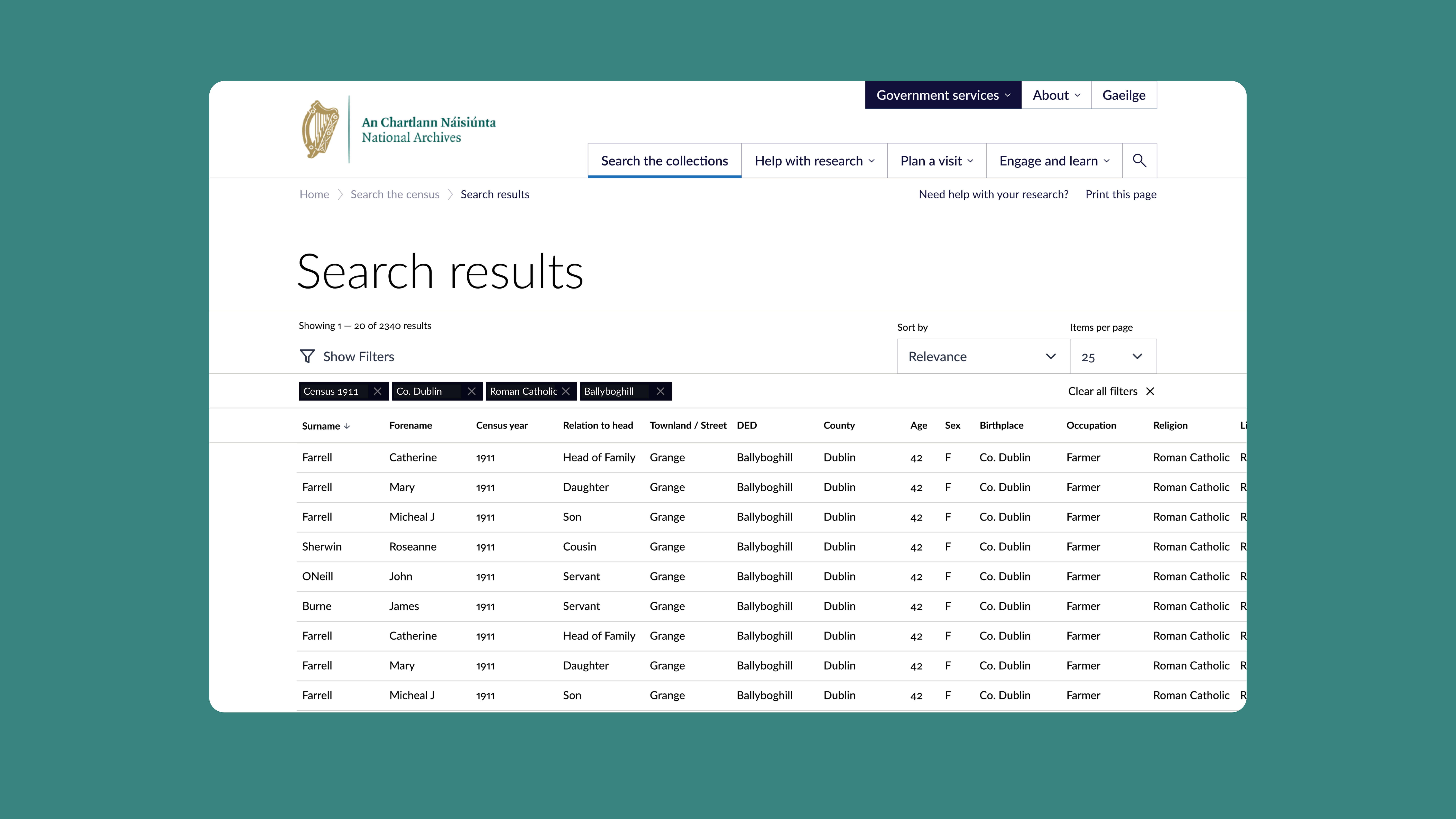
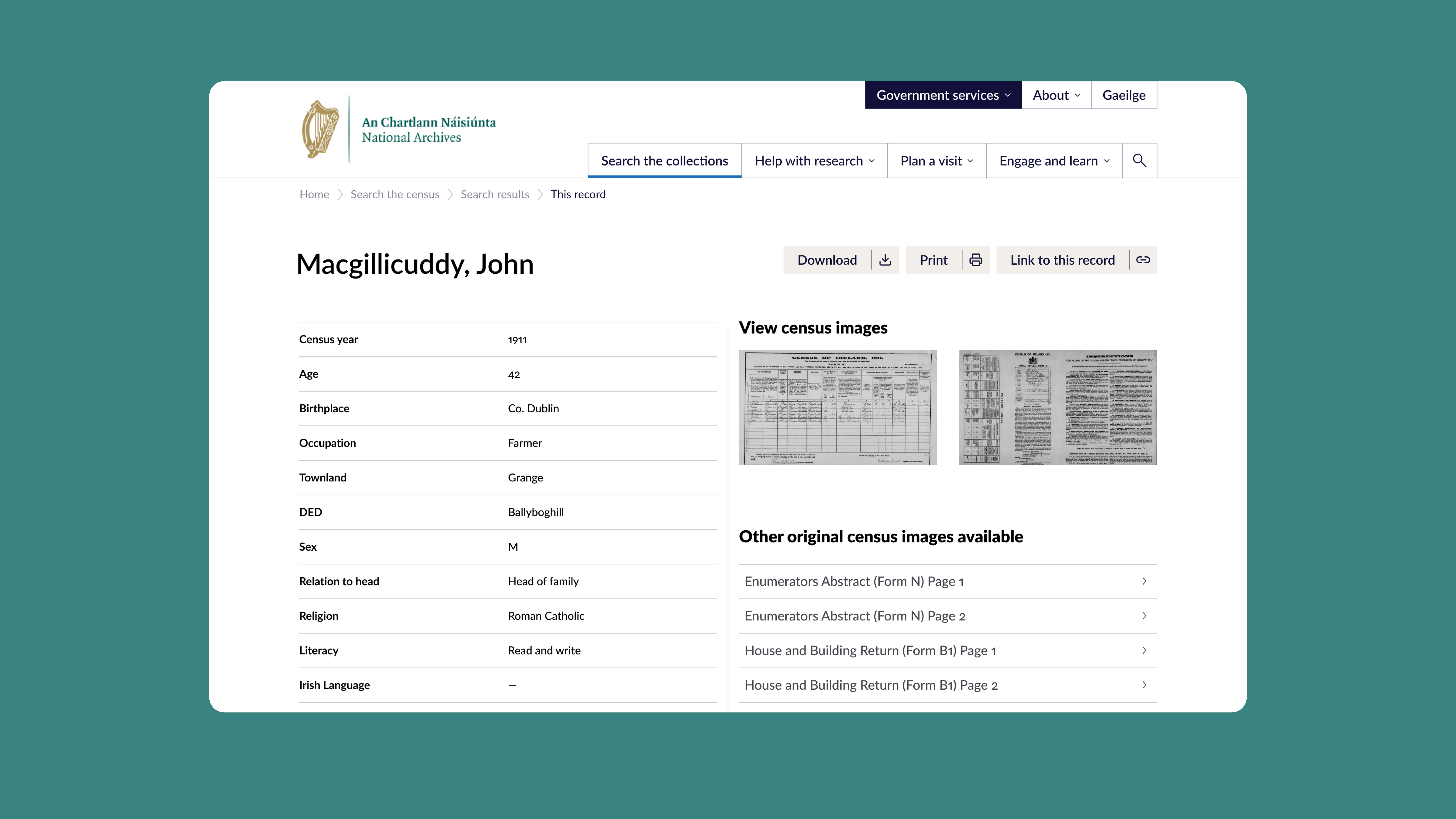
One of the highest-traffic areas on the website was the various censuses, which garner a lot of interest from the general public. However, the existing search and navigation left much to be desired and resulted in a lot of staff time being taken up in phone calls and email correspondance.
To improve this, we introduced various best-practice UX principles that greatly improved the user experience. These included a refined, accessible search interface; improved metadata visibility to support academic and genealogical research; flexible filtering and sorting functions for complex datasets; and clear content hierarchies to support long-form archival explanations and legal guidance.
Credits
Designed at Ebow
Creative Direction & Design:
Kieron Farrell
Lead Developer:
Glauco Russo
Font:
Lato by Łukasz Dziedzic
Related Work

Dún Laoghaire-Rathdown County Council

Larsen /Pau